
Santa Rita Ranch Brush Removal Services
Choose our expert brush removal services for reliable, thorough clearing that enhances your property's safety, curb appeal, and value—handled by a trusted local team committed to your satisfaction.
Get a Free QuoteOur Santa Rita Ranch Landscaping & Yard Care Services
When to Schedule Brush Removal in Santa Rita Ranch, Arizona – Seasonal Guide
In Santa Rita Ranch, Arizona, timing your brush removal is crucial for maintaining a healthy and attractive landscape. The region’s unique climate—marked by hot, dry summers and mild winters—means that the best periods for brush clearing are typically late winter through early spring, before the onset of high temperatures and potential drought conditions. This window allows homeowners to address overgrowth and reduce fire risk before vegetation becomes too dry or dense. Neighborhoods near the Santa Rita Foothills and along Camino Del Sol often experience microclimates, with shaded areas retaining moisture longer and open lots drying out quickly, which can influence the ideal timing for service.
Local environmental factors such as the last frost date (usually in early March), soil composition, and the prevalence of native mesquite and palo verde trees all play a role in determining when brush removal is most effective. Areas near the Santa Rita Experimental Range may also face unique challenges due to denser undergrowth and periodic municipal restrictions. For more information on local regulations and best practices, consult the official community resources.
Local Factors to Consider for Brush Removal in Santa Rita Ranch
- Tree and shrub density, especially in neighborhoods bordering natural preserves
- Terrain slope and accessibility, which can affect equipment use and safety
- Seasonal precipitation patterns and drought risk
- Shade coverage from mature trees, impacting undergrowth rates
- Soil type, influencing regrowth and erosion risk
- Municipal restrictions or burn bans during peak fire season
Benefits of Brush Removal in Santa Rita Ranch
Enhanced Curb Appeal
Improved Property Safety
Increased Usable Space
Reduced Fire Hazards
Healthier Landscape Growth
Professional and Efficient Service
Santa Rita Ranch Brush Removal Types

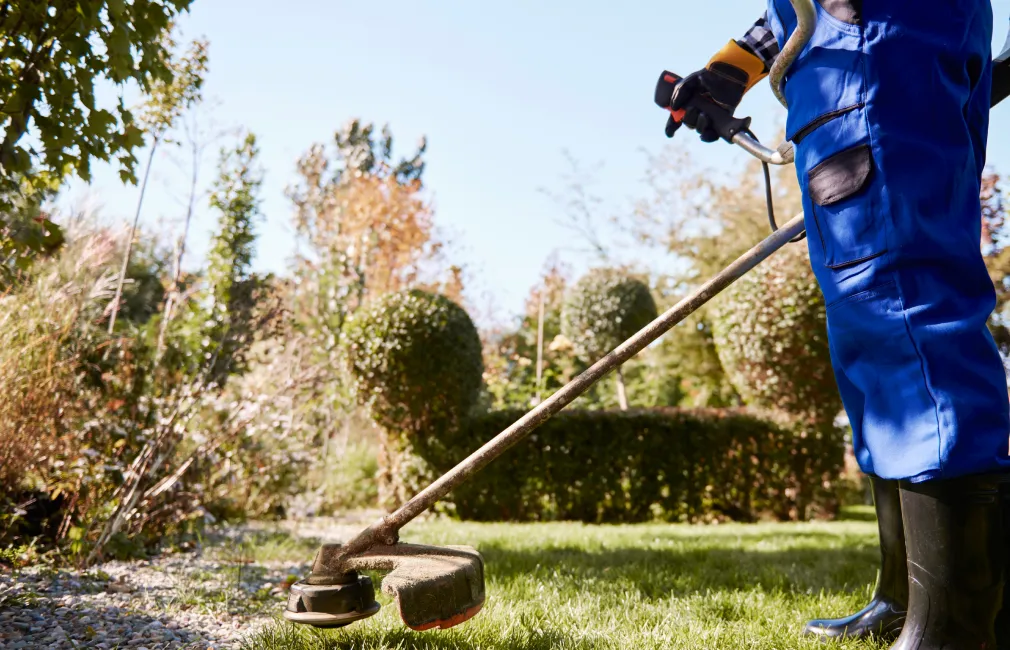
Manual Brush Clearing
Efficient removal of brush using hand tools for precise landscaping results.
-
Mechanical Brush Removal
Utilizing specialized machinery to clear large areas quickly and effectively.
-
Selective Brush Thinning
Targeted removal of specific brush to promote healthy plant growth.
-
Brush Mowing
Cutting and mulching brush to maintain a tidy and safe landscape.
-
Controlled Burning
Using safe, regulated fire techniques to clear brush and rejuvenate soil.
-
Herbicide Application
Applying environmentally responsible herbicides to manage unwanted brush.
-
Stump and Root Removal
Eliminating brush at the source for long-term landscape improvement.
Our Brush Removal Process
Site Evaluation
Safety Preparation
Brush Clearing
Debris Removal
Final Inspection
Why Choose Santa Rita Ranch Landscape Services
Santa Rita Ranch Homeowners Trust Us
-
Expert Lawn Maintenance
-
Reliable Irrigation Solutions
-
Comprehensive Weed Control
-
Seasonal Clean-Up Services
-
Competitive Pricing
-
Professional Team
-
Satisfaction Guarantee
Coordinating Brush Removal Services Through Mesa's Municipal Departments in Santa Rita Ranch
Santa Rita Ranch is a master-planned community situated within the City of Mesa, and residents should coordinate brush removal activities through the appropriate municipal channels. Mesa's public works operations govern how green waste and brush piles are collected, transported, and disposed of within city limits. Property owners generating large volumes of brush—whether from storm cleanup, lot clearing, or routine landscape maintenance—should verify current bulk pickup schedules and bundling requirements directly with the city before placing material curbside.
- Brush piles placed in the public right-of-way without authorization may result in code compliance action
- Storm-generated debris may qualify for expedited collection during declared emergency periods
- Commercial brush removal contractors must arrange independent hauling to approved transfer or disposal facilities
- Residents adjacent to washes or drainage corridors should never push brush into these channels
Mesa Streets & Transportation
20 E. Main Street, Mesa, AZ 85201
Official Website: Mesa Streets & Transportation
For drainage-related concerns where brush accumulation threatens stormwater flow or retention basin function, the Mesa Engineering Department can provide guidance on right-of-way clearance expectations and grading impacts.
How Santa Rita Ranch's Low-Desert Heat and Soils Affect Brush Removal
Santa Rita Ranch falls within the Phoenix metro low-desert environment, classified under USDA Hardiness Zone 9b to 10a. This context creates specific conditions that directly influence brush removal logistics and site stabilization afterward. Soils in the eastern Mesa corridor commonly feature alkaline sandy loam over caliche hardpan, with areas of compacted subdivision fill introduced during development grading. These soil profiles affect how root systems anchor and how quickly exposed ground erodes once brush is cleared.
- Summer surface temperatures regularly exceed 110°F, making brush piles a fire-ignition risk when left unattended on bare ground
- Monsoon storms from July through September generate intense runoff that can redistribute loose brush into retention basins, curb inlets, and flood-control channels
- Caliche layers near the surface may require mechanical extraction when removing deep-rooted desert shrubs such as creosote or bursage
- Alkaline soils dry rapidly after brush removal, increasing dust and erosion potential on exposed lots
Post-removal stabilization—through gravel cover, erosion blankets, or replanting with drought-adapted species—is essential to prevent sediment migration into Mesa's municipal storm sewer system.
Navigating Santa Rita Ranch's Regulatory Requirements for Brush Removal Projects
Brush removal in Santa Rita Ranch must comply with both City of Mesa ordinances and applicable Arizona state regulations. Mesa's development codes address property maintenance standards, including vegetation management on residential and commercial parcels. Property owners should confirm whether their planned scope triggers any site-disturbance review, particularly on lots adjacent to designated washes, floodplain areas, or open-space tracts.
- Clearing brush within or near a mapped floodplain or drainage easement may require coordination with the Mesa Engineering Department to avoid altering stormwater conveyance
- Disposal of brush mixed with soil, rock, or construction debris is subject to different handling rules than clean green waste
- Arizona's stormwater regulations under the Clean Water Act require that sediment and organic debris be prevented from entering storm drains during and after removal operations
- Contractors applying herbicides to prevent regrowth after brush clearing must hold valid credentials through the Arizona Department of Agriculture
Mesa Development Services Department
55 N. Center Street, Mesa, AZ 85201
Official Website: Mesa Development Services Department
Residents in HOA-governed sections of Santa Rita Ranch should also review their community's architectural guidelines, as some associations impose additional requirements on vegetation removal and post-clearing appearance.
Timing and Methods for Brush Removal in Santa Rita Ranch's Desert Climate
Professional brush removal in the Mesa low-desert region follows seasonal timing patterns driven by heat intensity, monsoon exposure, and vegetation growth cycles. The optimal primary window for large-scale brush clearing runs from late October through early April, when temperatures are moderate enough for sustained outdoor labor and fire risk is comparatively lower. Pre-monsoon clearing in May and June is also common to reduce the volume of loose organic material that could be displaced by summer storm runoff.
- Cut brush should be processed or removed from the site within 48 hours during summer months to reduce fire hazard and pest harborage
- Mechanical brush removal using skid-steer attachments or brush mowers is standard for lots with dense desert scrub, while hand clearing is appropriate near irrigation infrastructure and utility lines
- Chipping on-site reduces haul volume and can provide temporary ground cover to limit dust on exposed soil
- Brush stacked near block walls or structures should maintain defensible-space clearance, particularly during wildfire-risk periods
Mesa Fire & Medical Department
Mesa, AZ 85201
Official Website: Mesa Fire & Medical Department
The Mesa Environmental Programs office can provide additional guidance on environmentally sensitive disposal and site restoration practices relevant to the Santa Rita Ranch area.
What Neighborhoods Do We Serve Throughout Santa Rita Ranch, AZ?
- Santa Rita Ranch Phase 1 — Established lots with mature desert landscaping that may require periodic clearing of overgrown native shrubs along fence lines and common-area boundaries.
- Santa Rita Ranch Phase 2 — Newer subdivision sections where compacted fill soils and minimal established vegetation create conditions for rapid weed-brush colonization on undeveloped margins.
- Parcels Adjacent to the Elliot Road Corridor — Properties along this arterial edge often accumulate windblown brush and debris that must be cleared to maintain right-of-way visibility and drainage flow.
- Lots Bordering Retention Basins and Drainage Easements — These parcels require careful brush management to prevent organic material from entering flood-control infrastructure during monsoon events.
- Interior Cul-de-Sac Sections — Smaller lots with limited staging space may require coordinated access planning for brush removal equipment and haul-off vehicles.