
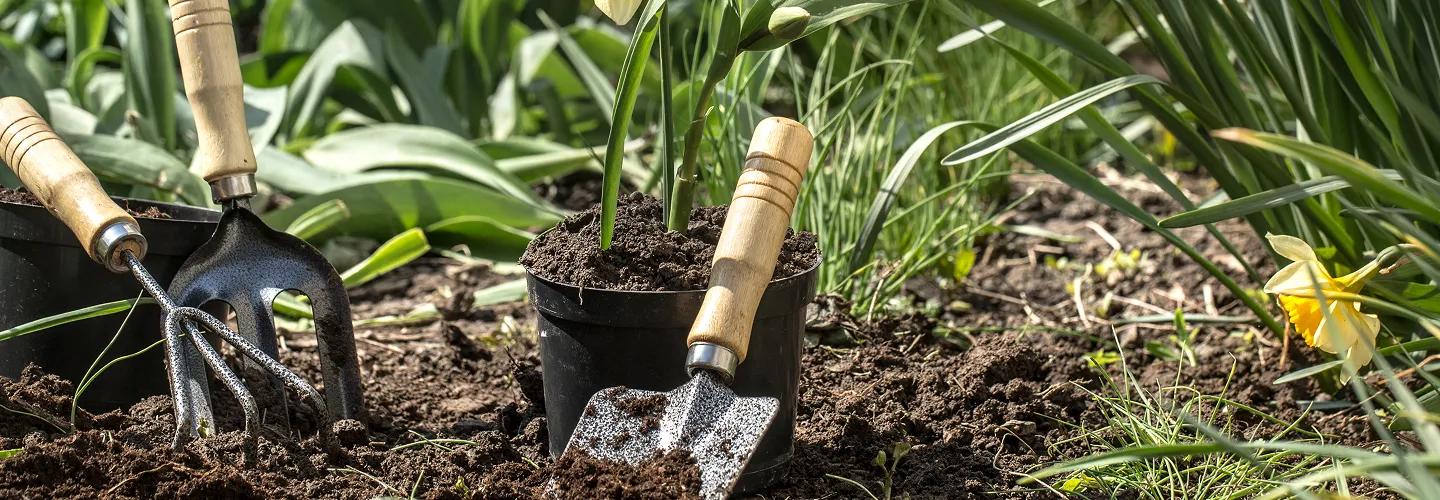
Santa Rita Ranch Flower Planting Services
Choose our Flower Planting services for vibrant, expertly arranged blooms that enhance your curb appeal, thrive in local conditions, and bring lasting beauty to your outdoor spaces.
Get a Free QuoteOur Santa Rita Ranch Landscaping & Yard Care Services
When to Schedule Flower Planting in Santa Rita Ranch, Arizona – Seasonal Guide
Flower planting in Santa Rita Ranch, Arizona, is best scheduled with careful attention to the region’s unique climate and landscape. The optimal planting windows are typically in early spring, after the last frost date, and again in early fall when temperatures begin to cool. Santa Rita Ranch’s proximity to the Santa Rita Mountains and neighborhoods like Madera Highlands means microclimates can vary, so it’s important to monitor local weather patterns and soil conditions. The area’s arid climate, with its low humidity and occasional drought risk, requires selecting hardy flower varieties and timing planting to maximize rainfall and minimize heat stress.
Local environmental factors such as the sandy-loam soils common near the Rancho Sahuarita area, variable shade coverage from mature mesquite trees, and municipal watering restrictions all play a role in determining the best time for planting. Homeowners should also consider the risk of late spring frosts and the impact of monsoon season, which can bring both beneficial moisture and the potential for soil erosion. For more detailed local guidelines, consult resources like the Town of Sudbury’s environmental recommendations, which offer valuable insights for adapting planting schedules to specific neighborhood conditions.
Local Factors to Consider for Flower Planting in Santa Rita Ranch
- Tree density and available shade, especially in established neighborhoods
- Soil type and drainage, with sandy-loam being most common
- Annual precipitation patterns and timing of the monsoon season
- Risk of late frosts or early heat waves
- Municipal watering schedules and restrictions
- Terrain variations, such as slopes or low-lying areas prone to runoff
Benefits of Flower Planting in Santa Rita Ranch
Enhanced Curb Appeal
Increased Property Value
Expert Plant Selection
Seasonal Color Variety
Low-Maintenance Solutions
Professional Landscaping Team
Santa Rita Ranch Flower Planting Types

Perennial Flower Beds
-
Annual Flower Displays
-
Native Wildflower Gardens
-
Pollinator-Friendly Plantings
-
Seasonal Color Rotations
-
Shade Garden Flowers
-
Drought-Tolerant Flower Beds
Our Flower Planting Process
Site Evaluation
Soil Preparation
Plant Selection
Careful Planting
Watering and Mulching
Why Choose Santa Rita Ranch Landscape Services
Santa Rita Ranch Homeowners Trust Us
-
Expert Lawn Maintenance
-
Reliable Irrigation Solutions
-
Comprehensive Weed Control
-
Seasonal Clean-Up Services
-
Competitive Pricing
-
Professional Team
-
Satisfaction Guarantee
Coordinating Flower Planting Projects with Mesa Municipal Programs in Santa Rita Ranch
Flower planting within the Santa Rita Ranch community falls under the broader jurisdiction of the City of Mesa, which administers landscape-related development standards, water conservation programs, and environmental compliance for residential and commercial properties. Residents and property managers planning flower installations—particularly in common areas, streetside beds, or parcels adjacent to washes and retention basins—should coordinate with the appropriate municipal departments before beginning work. Mesa's parks and urban forestry resources offer guidance on plant selection suited to the low-desert environment, while the city's development services division can clarify whether site-specific landscape modifications trigger any review requirements.
- Verify whether flower planting near rights-of-way or drainage easements requires coordination with city engineering staff
- Confirm irrigation modifications comply with Mesa's water conservation expectations through the utility department
- Review community-level landscape guidelines that may apply within Santa Rita Ranch's HOA framework
Mesa Parks, Recreation & Community Facilities
Official Website: Mesa Parks, Recreation & Community Facilities
Mesa Water & Wastewater Utilities
Official Website: Mesa Water & Wastewater Utilities
How Santa Rita Ranch's Low-Desert Heat and Alkaline Soils Affect Flower Planting
Santa Rita Ranch sits within the Phoenix metro low-desert environment, classified under USDA Hardiness Zone 9b to 10a, where summer temperatures routinely exceed 110°F and winter lows rarely dip below the mid-30s. These conditions directly shape which flowering species survive and how planting beds must be prepared. Soils throughout the east Mesa area tend toward alkaline sandy loam, often underlain by caliche hardpan at varying depths, which restricts root penetration and impedes drainage unless properly amended. The Arizona Department of Water Resources emphasizes desert-adapted landscaping as a core conservation strategy in this region.
- Alkaline pH levels above 7.5 can cause iron chlorosis in non-adapted flowering species, requiring sulfur amendments or chelated iron applications
- Caliche layers may need mechanical breaking or raised-bed construction to allow adequate root development
- Reflected heat from block walls, concrete driveways, and decomposed granite mulch intensifies thermal stress on flower beds positioned along south- and west-facing exposures
- Monsoon storms from July through September deliver intense but brief rainfall, creating sheet-flow runoff that can wash out newly planted beds near slopes or retention basins
Navigating Mesa's Regulatory Framework for Flower Planting and Landscape Compliance
Flower planting on residential lots in Santa Rita Ranch generally does not require a formal permit; however, several regulatory layers may apply depending on the scope and location of the project. Properties adjacent to designated washes, flood-control channels, or drainage easements should confirm setback and grading requirements through the city's engineering department. Mesa's development codes and ordinances address landscape standards for visible frontage areas, and HOA covenants within Santa Rita Ranch may impose additional plant palette or bed design restrictions.
- Any soil amendment or fertilizer application near storm-drain inlets must comply with Arizona DEQ stormwater protections under the MS4 program to prevent nutrient-laden runoff from entering the municipal storm sewer system
- Pesticide or herbicide use in flower beds requires applicators to hold valid credentials through the Arizona Department of Agriculture when applied commercially
- Irrigation system modifications that increase water use should be reviewed against current Mesa utility conservation guidelines
Mesa Development Services Department
Official Website: Mesa Development Services Department
Timing Flower Planting Around Santa Rita Ranch's Monsoon Season and Frost Windows
Professional flower planting in the low desert follows two primary installation windows that align with Santa Rita Ranch's climate cycle. The fall window, typically from mid-October through November, allows cool-season annuals such as petunias, snapdragons, stock, and pansies to establish root systems before the mild winter months. The spring window, from late February through early April, suits warm-season and desert-adapted perennials including lantana, desert marigold, angelita daisy, and salvia before extreme summer heat arrives.
- Prepare planting beds by amending native soil with compost to improve moisture retention and moderate alkalinity; avoid excessive organic matter that decomposes rapidly in desert heat
- Install or verify drip-irrigation emitters at each planting station before setting plants, ensuring coverage reaches the root zone without saturating surrounding decomposed granite or hardscape
- Apply a 2- to 3-inch layer of organic or rock mulch around plantings to moderate soil temperature and reduce evaporation
- Avoid planting during peak monsoon months (July–August) when sudden downpours can displace soil and damage tender transplants
- Schedule irrigation cycles for early morning to minimize evaporative loss and reduce fungal pressure on foliage
Mesa Environmental Programs
Official Website: Mesa Environmental Programs
What Neighborhoods Do We Serve Throughout Santa Rita Ranch, AZ?
- Santa Rita Ranch Phase I — Established lots with mature desert landscaping and existing drip-irrigation infrastructure that may require emitter reconfiguration for new flower bed installations
- Santa Rita Ranch Phase II — Newer subdivision fill soils that often benefit from deeper soil amendment and raised-bed construction to overcome compacted subgrade conditions
- Eastmark-Adjacent Areas — Properties near shared retention basins and open-space corridors where flower planting must account for drainage flow paths and wash-adjacent setbacks
- Signal Butte Corridor Parcels — Lots along the Signal Butte Road frontage that experience elevated reflected heat from roadway surfaces, requiring heat-tolerant species selection and afternoon shade planning
- Mesa Gateway Vicinity — Properties in the southeastern reach of the community where larger lot sizes and open exposure create opportunities for broader perennial flower installations suited to full-sun desert conditions