
Santa Rita Ranch Leaf Removal Services
Choose our Leaf Removal service for reliable, thorough cleanups that keep your yard healthy, safe, and looking its best all season long.
Get a Free QuoteOur Santa Rita Ranch Landscaping & Yard Care Services
When to Schedule Leaf Removal in Santa Rita Ranch, Arizona – Seasonal Guide
In Santa Rita Ranch, Arizona, the best times for leaf removal are typically late fall and early spring. The region’s unique climate—marked by mild winters, low humidity, and sporadic rainfall—means that leaves from native mesquite, palo verde, and oak trees often accumulate after the first frost, which usually occurs in late November. Neighborhoods near the Santa Rita Foothills and along Camino Del Sol may experience heavier leaf fall due to denser tree coverage and shaded yards. Scheduling leaf removal just after the majority of leaves have dropped, but before winter rains or early spring growth, helps maintain healthy lawns and prevents mold or pest issues.
Local environmental factors such as drought risk, sandy or clay-heavy soils, and municipal guidelines (like those found in Sudbury’s local resources) can also impact the ideal timing for service. Homeowners in areas like Madera Highlands or near the Santa Cruz River should consider how wind patterns and terrain affect leaf accumulation. By understanding these local nuances, you can ensure your property remains tidy and your landscape thrives year-round.
Local Factors to Consider for Leaf Removal in Santa Rita Ranch
- Tree density and species (mesquite, palo verde, oak)
- Proximity to landmarks like Santa Rita Foothills or Santa Cruz River
- Soil type (sandy vs. clay-heavy)
- Shade coverage and yard orientation
- Typical frost dates and seasonal rainfall
- Drought risk and water restrictions
- Municipal guidelines or HOA restrictions
- Terrain and wind exposure
Benefits of Leaf Removal in Santa Rita Ranch
Enhanced Curb Appeal
Healthier Lawns and Gardens
Prevention of Pest Infestations
Improved Drainage and Safety
Time and Effort Savings
Professional and Reliable Service
Santa Rita Ranch Leaf Removal Types

Seasonal Leaf Cleanup
Efficient removal of fallen leaves during peak seasons to maintain a tidy landscape.
-
Curbside Leaf Collection
Gathering and collecting leaves at the curb for easy municipal pickup or disposal.
-
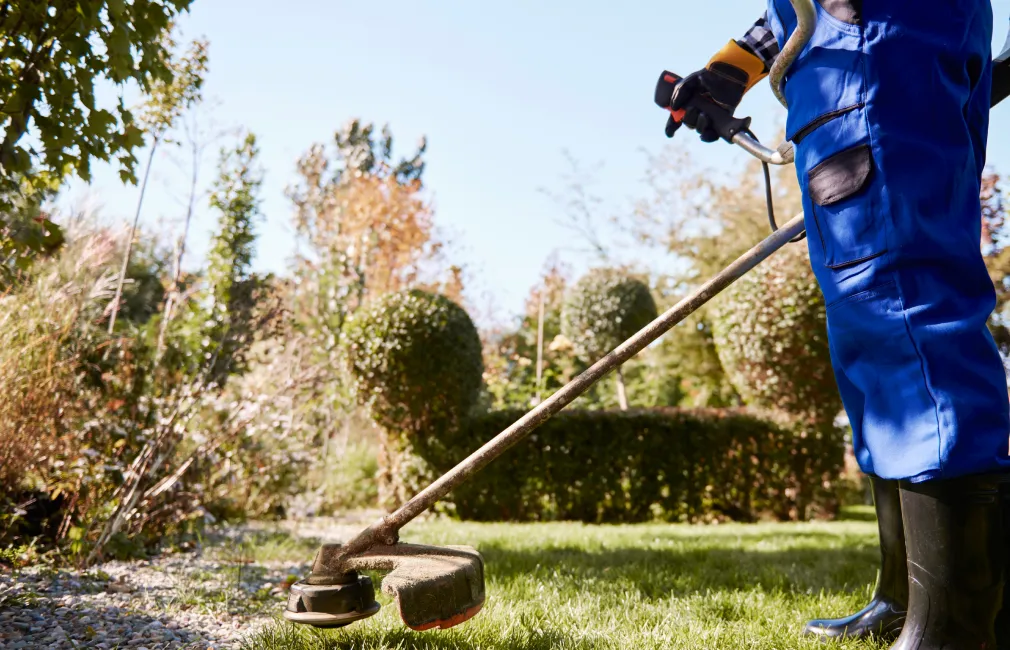
Lawn Leaf Blowing
Using blowers to clear leaves from lawns, driveways, and walkways for a neat appearance.
-
Garden Bed Leaf Removal
Careful extraction of leaves from flower beds and garden areas to protect plants.
-
Leaf Mulching Services
Shredding and repurposing leaves as mulch to enrich soil and reduce waste.
-
Gutter Leaf Clearing
Removing leaves from gutters to prevent blockages and water damage.
Our Leaf Removal Process
Site Evaluation
Debris Gathering
Leaf Collection
Final Cleanup
Why Choose Santa Rita Ranch Landscape Services
Santa Rita Ranch Homeowners Trust Us
-
Expert Lawn Maintenance
-
Reliable Irrigation Solutions
-
Comprehensive Weed Control
-
Seasonal Clean-Up Services
-
Competitive Pricing
-
Professional Team
-
Satisfaction Guarantee
Coordinating Leaf Removal with Mesa's Municipal Programs in Santa Rita Ranch
Santa Rita Ranch is a master-planned community within the City of Mesa, and residents should coordinate leaf removal activities with Mesa's municipal waste and environmental programs. The City of Mesa manages green waste collection through its solid waste services, and organic debris such as leaves, small branches, and plant litter must be placed in designated green organics containers for curbside pickup. Residents should verify current collection schedules and container size options directly with the city, as requirements may vary by service area within Mesa.
- Leaves and organic litter must not be swept or blown into streets, curb inlets, or storm drains
- Green waste containers should not include soil, rocks, treated wood, or non-organic materials
- Bulk leaf removal projects generating volumes beyond standard container capacity may require coordination with the city for special pickup or drop-off at an approved transfer facility
Property managers overseeing common areas in Santa Rita Ranch should confirm whether HOA-maintained landscapes follow separate hauling arrangements or rely on the city's residential collection program.
Mesa Streets & Transportation
20 E. Main Street, Mesa, AZ 85201
Official Website: Mesa Streets & Transportation
Mesa Environmental Programs
20 E. Main Street, Mesa, AZ 85201
Official Website: Mesa Environmental Programs
How Santa Rita Ranch's Desert Heat and Alkaline Soils Affect Leaf Removal
Santa Rita Ranch sits in the low-desert Phoenix metro region, classified within USDA Hardiness Zone 9b to 10a, where extreme summer heat, alkaline soils, and monsoon weather patterns directly influence leaf removal needs. Unlike temperate climates where leaf drop concentrates in autumn, desert-adapted and semi-tropical trees in this area shed foliage across multiple seasons. Species such as mesquite, palo verde, African sumac, and various citrus varieties produce leaf litter during spring transition, post-monsoon stress periods, and winter dormancy.
- Alkaline sandy loam and caliche-influenced soils common in Mesa subdivisions resist organic decomposition, meaning accumulated leaf litter does not break down quickly and can form compacted mats that block irrigation penetration
- Monsoon storms between June and September drive sudden leaf and debris movement into retention basins, washes, and neighborhood drainage channels
- Reflected heat from block walls, concrete driveways, and decomposed granite surfaces accelerates leaf desiccation, creating fine particulate debris that migrates into pool equipment, HVAC intakes, and storm-drain inlets
The USDA Web Soil Survey provides detailed soil mapping for parcels within Santa Rita Ranch, which can help property owners understand drainage behavior and organic matter retention on their specific lots.
Navigating Mesa's Stormwater and Debris Regulations for Leaf Removal Compliance
Leaf removal in Santa Rita Ranch must comply with Mesa's stormwater management obligations under the Arizona DEQ Phase II MS4 program and the federal Clean Water Act. These regulations prohibit the discharge of organic debris, sediment, and pollutants into the municipal storm sewer system. Leaves blown or washed into curb inlets, retention basins, or flood-control channels can obstruct drainage infrastructure and degrade downstream water quality.
- Leaf blowing operations must direct debris away from streets, gutters, and storm-drain openings
- Collected leaf material should be bagged or containerized on-site, not stockpiled in rights-of-way or near wash corridors
- Commercial leaf removal contractors operating in Mesa should verify compliance with any applicable city business licensing requirements through the Mesa Development Services Department
- Properties adjacent to washes or retention basins should take additional precautions to prevent organic debris from entering drainage corridors during monsoon events
The Arizona DEQ Stormwater program provides additional guidance on best management practices for preventing pollutant discharge from landscape maintenance activities.
Mesa Engineering Department
20 E. Main Street, Mesa, AZ 85201
Official Website: Mesa Engineering Department
Timing and Methods for Professional Leaf Removal in Santa Rita Ranch
Effective leaf removal in the Santa Rita Ranch area requires scheduling aligned with Mesa's desert climate cycles rather than a single autumn cleanup. Professional-grade leaf removal typically involves multiple service intervals throughout the year, timed to the shedding patterns of the community's predominant tree canopy.
- Late winter through early spring (February–April): Deciduous and semi-deciduous species such as mulberry, ash, and African sumac drop significant foliage as new growth emerges; this is often the heaviest leaf removal period in low-desert Mesa
- Post-monsoon (September–October): Storm-damaged foliage, broken twigs, and wind-deposited leaf litter accumulate rapidly and should be cleared before debris migrates into drainage infrastructure
- Late fall (November–December): Citrus leaf thinning and mesquite pod drop create secondary debris loads on turf, hardscape, and gravel surfaces
Leaf blowers should be operated during cooler morning hours to reduce dust generation and heat exposure for workers. On properties with decomposed granite or gravel ground cover, raking or vacuum collection is preferable to high-velocity blowing, which displaces surface material and creates dust clouds. Collected leaves should be separated from inorganic debris before placement in green waste containers. The Mesa Urban Forestry & Tree Resources page offers guidance on tree care practices that can reduce excessive leaf litter through proper species selection and canopy management.
What Neighborhoods Do We Serve Throughout Santa Rita Ranch, AZ?
- Santa Rita Ranch Phase I: Established lots with mature mesquite and citrus trees generate consistent seasonal leaf litter requiring regular removal from turf areas and hardscape surfaces.
- Santa Rita Ranch Phase II: Newer subdivision sections with younger tree canopies and compacted fill soils benefit from prompt leaf clearing to prevent organic mat formation over irrigation zones.
- Surrounding Mesa Communities near Ellsworth Road: Properties along major arterials experience wind-driven leaf accumulation from adjacent commercial landscaping and right-of-way plantings.
- Neighborhoods Adjacent to Retention Basins: Homes bordering Mesa's flood-control infrastructure require careful leaf management to prevent organic debris from entering drainage channels during monsoon runoff events.
- Properties Near Mesa Parks and Trail Corridors: Lots adjacent to public open space often receive additional leaf and seed-pod debris from municipal tree plantings, increasing removal frequency needs.